Best Gutter Guards for Pine Needles and Leaves in Asheville
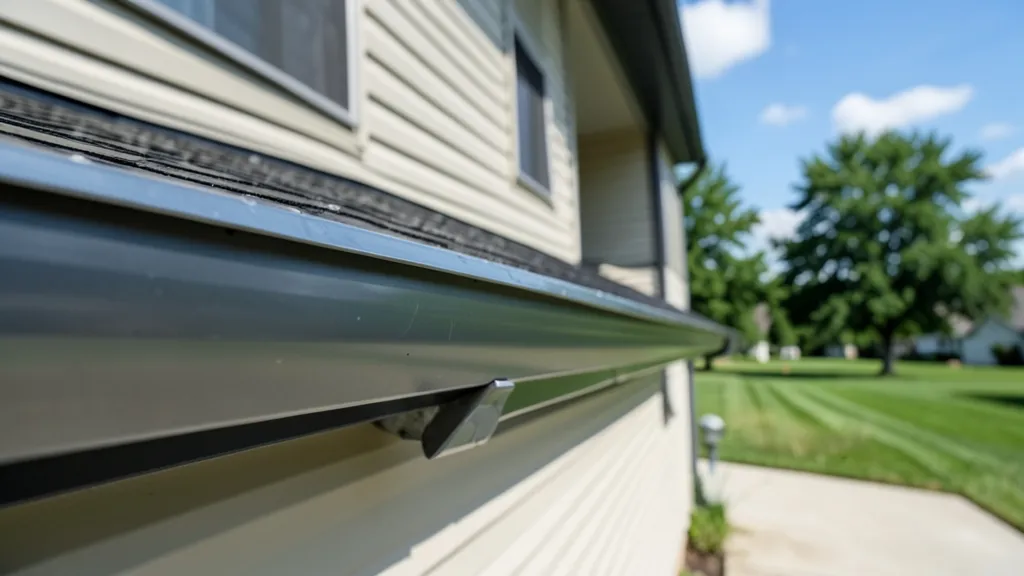
Asheville’s mix of towering pines and hardwoods means gutters take a beating year-round. Pine needles and oak leaves clog systems fast, leading to overflow, ice dams in winter, and even foundation damage. The right gutter guard turns this seasonal headache into a low-maintenance system.
Why Pine Needles and Leaves Overwhelm Standard Gutters
Pine needles are the worst—small, abundant, and they mat together into a dense, water-blocking layer. Standard open gutters trap them, and even light winds in the mountains can deposit a foot of debris overnight.
Hardwood leaves like oak and maple are broader but still clog downspouts and create dam-like blockages. Asheville’s humid climate speeds up decay, turning trapped debris into a sludge that’s even harder to clear.
Clogged gutters don’t just overflow—they can pull away from fascia, rust, or even collapse under the weight of wet debris.
Gutter Guard Types That Actually Handle Needles and Leaves
Not all guards are created equal. Micromesh and reverse-curve designs excel with fine debris like pine needles, while screens and brushes struggle as they fill up and require frequent cleaning.
Foam inserts can work for larger leaves but often fail with needles, which get embedded in the pores. The best systems balance debris exclusion with water flow, even in heavy mountain downpours.
Micromesh vs. Reverse Curve: The Asheville Showdown
Micromesh guards use a fine stainless steel or aluminum screen (often 50–100 micron) to block even the smallest needles while allowing water to flow through. They’re ideal for steep roofs and heavy tree cover in areas like Biltmore Forest or Black Mountain.
Reverse curve (or surface-tension) guards rely on a curved lip to direct water into the gutter while debris slides off. They work well for pine needles but can struggle with very steep roof pitches or ice in winter.
| Feature | Micromesh | Reverse Curve |
|---|---|---|
| Debris Handling (Pine Needles) | Excellent | Very Good |
| Debris Handling (Leaves) | Excellent | Good |
| Water Flow Rate | High | Moderate |
| Ice/Snow Performance | Good (if sloped) | Fair (can ice over) |
| Installation Complexity | Moderate | High |
| Maintenance | Low (occasional rinse) | Low (debris sheds easily) |
| Roof Pitch Suitability | All pitches | Moderate to steep |
| Cost Factor | Mid to High | High |
Screen and Brush Guards: When They Fall Short
Screen guards (perforated metal or plastic) let smaller debris like pine needles slip through or get caught on top, requiring manual cleaning. They’re better than nothing but not ideal for Asheville’s dense tree cover.
Brush guards trap debris in their bristles, which can create a thatch-like layer that blocks water. They’re cheap and DIY-friendly but often need frequent attention, especially after fall leaf drops in Weaverville or Arden.
Screen and brush guards are often sold as DIY kits, but improper installation can void warranties or cause leaks. We’ve seen too many DIY jobs fail under Asheville’s heavy rain.
What Asheville’s Climate Demands from a Gutter Guard
Our four distinct seasons mean your guards must handle freezing temps, heavy spring rains, summer storms, and fall leaf dumps. Micromesh and reverse curve systems cope best with this variability.
Winter ice dams are a real risk here. Guards that allow water to flow freely—even when temps hover around freezing—prevent the buildup that can force water under your roof shingles.
Key Features to Prioritize for Western NC Homes
Look for guards with a **slope**—even slight—so debris slides off rather than accumulating. This is critical for pine needles, which cling to flat surfaces.
Aluminum or stainless steel construction resists rust and stands up to Asheville’s humidity. Avoid vinyl for micromesh; it can warp or degrade under UV exposure.
A **hidden hanger** system or integrated design prevents guards from lifting in high winds, a common issue on exposed ridges in Woodfin or Black Mountain.
Must-Have Features for Asheville Gutter Guards
- Micromesh (50–100 micron) or reverse curve design
- Aluminum or stainless steel construction
- Slope or surface-tension principle for debris shedding
- Hidden hangers or secure mounting
- Compatibility with existing gutter pitch
- Warranty covering both materials and performance
Installation Pitfalls (and How We Avoid Them)
Seams and end caps are leak magnets. We always use seamless gutters where possible and seal every joint with high-grade silicone. In older homes, we often reseal the entire system before installing guards.
Downspout clogs defeat the purpose. We inspect and clean them thoroughly before installation, and recommend larger (3x4 inch) downspouts for homes with heavy tree cover.
If your roof has a very low pitch (common in some Asheville bungalows), reverse curve guards may not work—micromesh is the safer bet.
Maintenance: Even the Best Guards Need Some Love
No guard is 100% maintenance-free. Micromesh may need an annual rinse to clear fine pollen or sap. Reverse curve guards should be checked for debris buildup on the nose of the guard.
After major storms or in fall, do a quick visual check. If you see standing water or overflow, it’s time for a cleaning or adjustment. We offer maintenance plans for homeowners in Black Mountain, Weaverville, and beyond.
How to Choose the Right Gutter Guard for Your Asheville Home
Follow these steps to match a guard to your specific needs and avoid costly mistakes.
- 1Assess Your Debris
Identify your primary culprit: pine needles, oak leaves, or both. Fine debris like needles demands micromesh; larger leaves can work with reverse curve or high-quality screens.
- 2Evaluate Roof Pitch
Steep roofs (common in mountain homes) work well with most guards, but low-pitch roofs may need micromesh to ensure water flows in.
- 3Inspect Your Gutters
Check for existing damage, rust, or improper slope. Guards won’t fix a broken system—repair or replace gutters first.
- 4Consider Climate Extremes
If you’re in a high-elevation area like Black Mountain, prioritize guards that shed ice and snow. Micromesh with a slight slope is ideal.
- 5Compare Warranties
Look for lifetime or long-term warranties that cover both clogging and material failure. Avoid guards with prorated or limited coverage.
- 6Get a Professional Assessment
A local pro can spot issues like hidden roof leaks or improper downspout placement that could undermine your new guards.
Frequently Asked Questions
Do gutter guards really work for pine needles in Asheville?
Yes—but only the right types. Micromesh guards with a fine screen (50–100 micron) block even the smallest needles, while reverse curve guards let them slide off. Avoid basic screens or foam, which clog quickly with needles.
How often should I clean my gutters if I have guards?
With high-quality guards, you may only need to rinse or inspect them once a year. However, after heavy storms or in fall, a quick check is wise. Guards reduce cleaning frequency but don’t eliminate it entirely.
Can I install gutter guards myself?
Some types, like brush or screen guards, are DIY-friendly. But for micromesh or reverse curve systems—especially on multi-story homes—professional installation ensures proper pitch, sealing, and durability. We’ve fixed many DIY jobs gone wrong in Arden and Woodfin.
Will gutter guards prevent ice dams in winter?
They help by keeping gutters clear, which reduces the standing water that leads to ice dams. However, proper attic insulation and ventilation are the real keys to preventing ice dams in Asheville’s cold snaps.
Are there gutter guards that work for both pine needles and oak leaves?
Absolutely. Micromesh guards handle both exceptionally well. Reverse curve guards also work but may need occasional debris removal for larger leaves. The best approach is to match the guard to your most problematic debris.
What’s the most common mistake homeowners make with gutter guards?
Choosing based on cost alone. Cheap guards often fail under Asheville’s heavy debris load, leading to clogs, overflow, and even gutter damage. Invest in quality materials and professional installation for long-term performance.