Why Fall Leaf Buildup in Asheville Means It’s Time for Gutter Cleaning
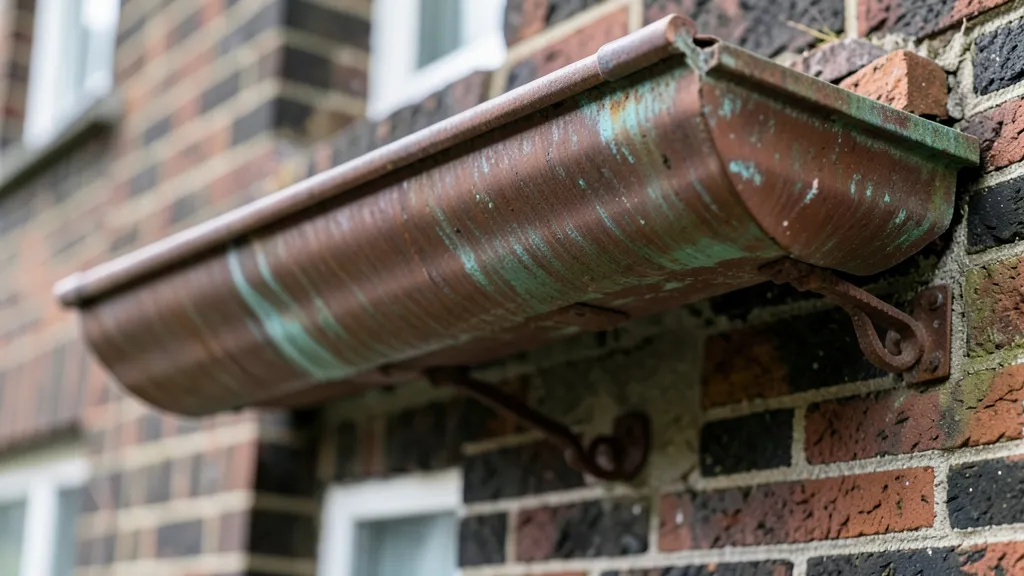
Autumn in the mountains paints the landscape, but those same leaves become a silent threat to your home. When gutters clog, water overflows, damaging roofs, siding, and foundations. We’ve seen firsthand how proactive cleaning saves Asheville homeowners from costly repairs down the line.
How Fall Leaves Overwhelm Your Gutter System
Oak, maple, and poplar trees shed heavily in October and November, filling gutters with a dense, matted layer. Unlike spring debris, fall leaves compact quickly, trapping moisture and accelerating rot.
Wet leaves weigh significantly more than dry ones, stressing gutter hangers and pulling sections away from the fascia. This is especially common in older homes around Black Mountain and Weaverville.
The Domino Effect of Clogged Gutters on Your Home
Overflowing water saturates the soil around your foundation, leading to cracks and basement leaks. In clay-heavy soils common here, poor drainage compounds the problem.
Ice dams form in winter when trapped water refreezes at the roof edge. Asheville’s temperature swings make this a recurring issue for homes without proper gutter maintenance.
Standing water in clogged gutters attracts mosquitoes, carpenter ants, and even rodents. We’ve cleared nests from downspouts in Biltmore Forest and Arden more times than we can count.
A single season of neglected gutters can cause thousands in foundation repairs. Water pooling near the base erodes soil and weakens structural integrity.
Gutter Cleaning vs. Gutter Guards: What Asheville Homeowners Need to Know
Gutter guards reduce debris buildup but aren’t a set-it-and-forget-it solution. Fine particles like pine needles and shingle grit still accumulate, requiring occasional cleaning.
Micro-mesh guards perform best for small debris but can clog with heavy leaf litter. Reverse-curve systems shed leaves well but may struggle with seed pods from local tulip poplars.
| Guard Type | Handles Leaves | Handles Pine Needles | Maintenance Needed |
|---|---|---|---|
| Micro-Mesh | Excellent | Good | Low to Moderate |
| Reverse-Curve | Very Good | Poor | Moderate |
| Screen/Perforated | Fair | Poor | High |
| Foam Inserts | Poor | Poor | Very High |
Signs Your Gutters Need Immediate Attention
Water spilling over the sides during rain is the most obvious red flag. Even light drips from seams indicate clogs or improper slope.
Sagging sections or gaps between joints mean debris has been sitting too long. In Woodfin, we often find separated downspouts after heavy leaf seasons.
Staining on siding or peeling paint near the roofline suggests chronic overflow. Check for these signs after the first hard frost.
Quick Gutter Inspection Checklist
- Look for water stains under gutters after rain
- Check for sagging or detached sections
- Ensure downspouts drain at least 5 feet from the foundation
- Inspect for rust, cracks, or separated seams
- Watch for pests or nests in the system
Why DIY Gutter Cleaning Often Falls Short
Ladder work on steep roofs—common in mountain neighborhoods—poses serious safety risks. Even experienced homeowners can misjudge stability on uneven terrain.
Most DIYers miss the hidden buildup in downspouts or the small debris lodged in gutter valleys. A thorough job requires flushing the entire system, not just scooping leaves.
Without proper tools, you risk damaging gutter seams or dislodging hangers. We’ve repaired many systems where well-meaning homeowners caused more harm than good.
If you must clean gutters yourself, use a stabilizer bar for your ladder and wear gloves to protect against sharp metal edges and bacteria in decaying leaves.
The Long-Term Benefits of Professional Gutter Maintenance
Regular cleaning extends the life of your gutters by preventing corrosion and stress on joints. In our climate, aluminum gutters can last 20+ years with proper care.
We inspect for early signs of damage—like loose hangers or failing seals—during every cleaning. Catching these issues early prevents costly repairs during winter storms.
For homes with mature trees, we often recommend semi-annual cleanings: once in late fall after leaf drop and again in spring to clear pollen and seed pods.
When to Consider Gutter Repair or Replacement
If your gutters are constantly clogging despite regular cleaning, the issue might be improper pitch or outdated design. K-style gutters are standard now, but older half-round systems may need upgrades.
Persistent leaks at seams or end caps often mean the caulking has failed. Resealing is a quick fix, but repeated issues may signal it’s time for new gutters.
For commercial properties or large homes in areas like Biltmore Forest, we often install larger-capacity gutters and additional downspouts to handle heavy runoff.
How to Prepare Your Gutters for Asheville’s Fall Season
A little prep work before the leaves fall can save you headaches later.
- 1Trim Overhanging Branches
Cut back tree limbs that hang directly over your roof. This reduces the volume of leaves entering your gutters and minimizes shade, which slows evaporation.
- 2Inspect for Existing Damage
Check for loose hangers, separated seams, or rust spots. Address these before the first heavy rain to prevent worsening issues.
- 3Clear Debris from Roof Valleys
Use a roof rake or leaf blower to remove leaves from roof valleys, where debris tends to accumulate and clog gutters quickly.
- 4Test Downspout Flow
Run a hose into the gutters to ensure water flows freely through downspouts. If it backs up, use a plumber’s snake to clear the clog.
- 5Install Temporary Screens
If you’re not ready for permanent guards, temporary mesh screens can reduce leaf buildup until you schedule a professional cleaning.
- 6Schedule a Pro Cleaning
Even with prep work, a professional cleaning ensures your system is fully cleared and inspected before winter sets in.
Frequently Asked Questions
How often should I clean my gutters in Asheville?
Most homes need cleaning twice a year—once in late fall after leaf drop and once in spring. If you have heavy tree cover or live in wooded areas like Black Mountain, consider three to four cleanings annually.
Can clogged gutters cause roof leaks?
Absolutely. Water backing up in clogged gutters can seep under shingles, leading to roof rot and interior leaks. This is especially common with Asheville’s frequent rain and temperature fluctuations.
Are gutter guards worth the investment for Asheville homes?
For many homeowners, yes. Quality gutter guards significantly reduce maintenance needs, particularly in areas with dense tree cover. However, they’re not maintenance-free—periodic inspections are still necessary.
How should you handle gutter cleaning for a two-story home?
Two-story homes require extra caution. We recommend hiring professionals with the right equipment and safety training. DIY attempts often miss critical spots or risk damage to the system.
Do I need to clean my gutters if I have gutter guards installed?
Yes, but less frequently. Guards prevent most large debris, but fine particles like pine needles, shingle grit, and pollen can still accumulate. Annual inspections and occasional cleanings are still advised.
How do I know if my gutters are properly sloped?
Stand at one end of the gutter and look down its length. You should see a slight downward angle toward the downspout. If it’s level or sagging, water won’t drain properly, and you’ll need resealing or resloping.