Why Gutter Cleaning After Heavy Rain Is a Must for Asheville Homeowners
Asheville’s heavy downpours—especially in spring and fall—turn gutters into overflowing troughs overnight. Left unchecked, clogged systems dump water where it does the most damage: against your foundation, under your roof, and into your basement. We’ve seen firsthand how a single storm can turn a minor blockage into a costly repair.
How Heavy Rain Overwhelms Your Gutters
A typical Asheville storm can drop 1–3 inches of rain in an hour. Gutters are designed to handle about 0.7 gallons per minute per foot of roof edge—until leaves, pine needles, and seed pods from local oaks and pines block the flow.
When water can’t drain, it pools. Pooling water bends fascia, rots soffits, and forces water behind the gutter trough. In neighborhoods like Biltmore Forest or Black Mountain, steep roofs and dense tree cover make this even worse.
The Hidden Damage You Can’t See—Yet
Overflow isn’t just unsightly. It erodes soil near your foundation, creating pathways for water to seep into basements or crawl spaces. In Arden and Weaverville, clay-heavy soil holds moisture longer, increasing the risk.
Worse, trapped debris speeds up rust in steel gutters and degrades seals in aluminum systems. Over time, this leads to leaks at the seams—often unnoticed until water stains appear on interior walls.
A single season of unchecked gutter overflow can shift soil enough to crack your foundation. In Western NC’s expansive clay, the damage compounds fast.
Signs Your Gutters Need Attention After a Storm
Check for sagging sections—this often means hangers have pulled loose under the weight of waterlogged debris. Also look for water marks directly below the gutter line on your siding.
Downspouts should carry water at least 5–10 feet from your home. If water pools at the base or the downspout itself is clogged, it’s time for a cleaning. In Woodfin, we often find downspouts clogged with maple samaras.
Post-Storm Gutter Inspection
- Water spilling over the sides during rain
- Stains or peeling paint on fascia/soffit
- Downspouts not draining or detached at the elbow
- Visible debris or plant growth in the troughs
- Erosion or washout at the base of downspouts
DIY vs. Professional Gutter Cleaning: What’s Best After Heavy Rain?
A DIY cleanup might work for a single-story home with minimal debris. But Asheville’s steep roofs, multi-story homes, and dense foliage make it risky. Ladder work on wet, mossy surfaces is a leading cause of falls.
Professionals bring the right tools—gutter vacuums, high-pressure flushing systems, and safety harnesses—to clear clogs without damaging the system. We also inspect for hidden issues like separated seams or improper pitch.
| Factor | DIY | Professional |
|---|---|---|
| Safety Risk | High (ladders, wet roofs) | Low (trained, equipped) |
| Thoroughness | Surface-level only | Full system inspection |
| Equipment | Basic (gloves, trowel) | Specialized (vacuums, cameras) |
| Time | Half-day or more | 1–3 hours |
| Long-Term Protection | Temporary fix | Prevents future clogs & damage |
Why Asheville’s Climate Demands Faster Action
Our region’s humidity means debris stays damp longer, accelerating rot and mold growth in gutters. The Blue Ridge’s frequent fog and mist also promote algae and moss buildup on roofing and in gutter troughs.
Freeze-thaw cycles in winter can turn trapped water into ice dams, which pry gutters away from the roof line. Proactive cleaning in fall and early winter prevents this cycle from starting.
Schedule gutter cleaning within 48 hours of a major storm. This prevents debris from compacting and reduces the risk of rust or mold taking hold.
Gutter Guards: A Smart Upgrade for Storm-Prone Areas
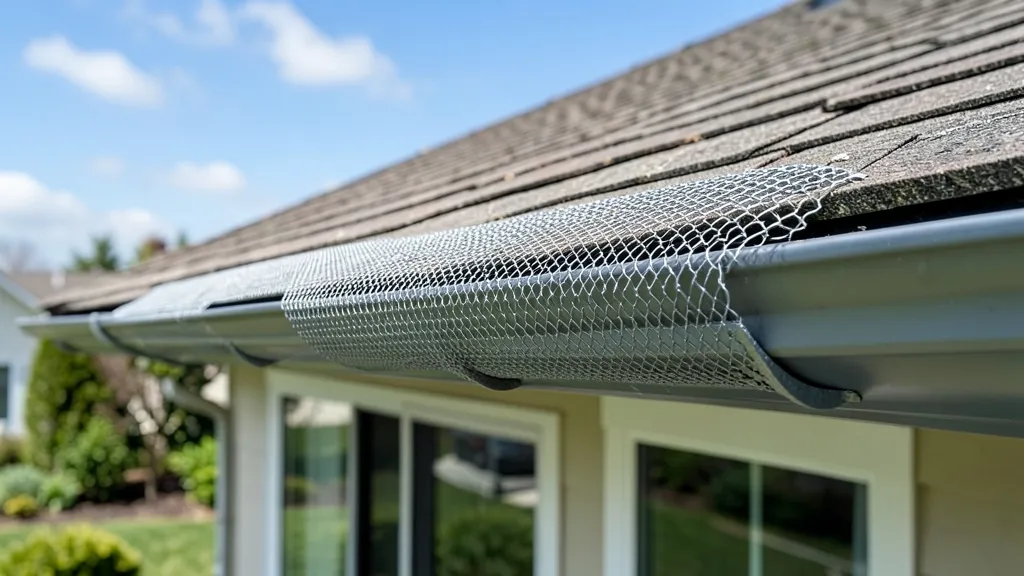
If you’re tired of post-storm cleanups, gutter guards are a worth considering. Micromesh and reverse-curve systems block leaves while allowing water to flow through. They’re especially effective in areas like Black Mountain, where pine needles are a constant issue.
However, guards aren’t a set-it-and-forget-it solution. Fine debris like roof grit or pollen can still accumulate on top, requiring occasional maintenance. We often pair guard installation with a resealing service to ensure no gaps exist.
When Cleaning Isn’t Enough: Repair and Resealing
Heavy storms can misalign gutters or detach downspouts. If sections sag or pull away, a simple cleaning won’t fix the underlying structural issue. In these cases, we recommend resealing seams and rehanging gutters with reinforced brackets.
For older homes in historic neighborhoods, we also check for improper slope. Gutters should drop ¼ inch for every 10 feet toward the downspout. If the pitch is off, water pools—even after cleaning.
How to Safely Inspect Your Gutters After a Storm
A quick, safe inspection can reveal whether you need a professional cleaning or repair.
- 1Wait for Dry Conditions
Never climb a ladder on wet or icy surfaces. Wait at least 24 hours after rain for gutters and roofs to dry.
- 2Ground-Level Check
Walk the perimeter of your home. Look for water stains on siding, erosion at downspout bases, or debris hanging from the gutters.
- 3Use a Ladder Stabilizer
If you must climb, use a stabilizer to avoid damaging the gutters. Check for sagging, separated seams, or rust spots.
- 4Test Downspouts
Run a garden hose into the gutter. If water doesn’t exit the downspout freely, there’s a clog. Avoid using a plumber’s snake—it can damage thin aluminum.
- 5Document and Plan
Take photos of any issues. If you find more than minor debris, request a quote for professional cleaning or repair.
Frequently Asked Questions
How often should I clean my gutters in Asheville?
Twice a year is the minimum, but after major storms—especially in fall and spring—an extra cleaning may be needed. Homes near wooded areas like Weaverville or Black Mountain often require quarterly attention.
Can clogged gutters cause roof leaks?
Absolutely. Water backing up under shingles due to a clogged gutter can rot the roof decking and lead to leaks. This is common in older homes with shallow roof overhangs.
How can you prevent gutter clogs in heavy rain?
Regular cleaning is key, but gutter guards significantly reduce debris buildup. For homes with mature trees, we recommend micromesh guards paired with annual professional inspections.
Do I need to clean gutters if I have gutter guards?
Yes. Guards block large debris but fine particles like pollen, roof grit, and pine needles can still accumulate. An annual flush-out keeps the system flowing properly.
How do I know if my gutters are properly sloped?
Stand at one end of a gutter run during light rain. Water should flow steadily toward the downspout without pooling. If you see standing water, the pitch may need adjustment.
What areas around Asheville are most prone to gutter issues?
Neighborhoods with dense tree cover—like Biltmore Forest, Arden, and parts of Woodfin—see the most frequent clogs. Steep terrain in Black Mountain also accelerates water flow, increasing the risk of overflow if gutters aren’t clear.