Understanding Gutter Cleaning Costs for Historic Homes in Asheville
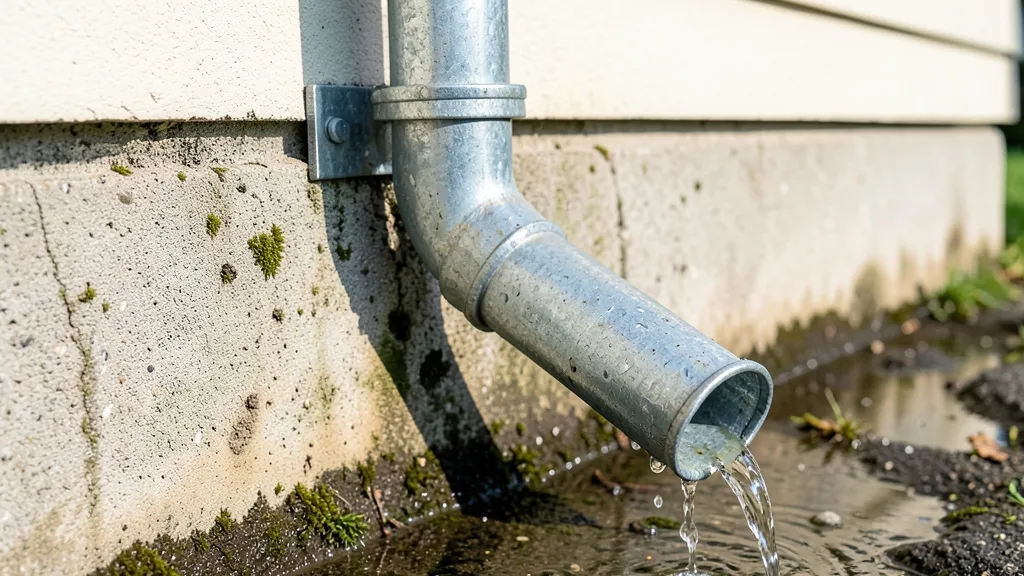
Historic homes in Asheville demand specialized care, especially when it comes to gutters. Their unique architecture, older materials, and the region’s heavy foliage create distinct challenges. We break down the factors that influence gutter cleaning costs so you can budget confidently and protect your investment.
Why Historic Homes Need Specialized Gutter Care
Older homes often feature custom or decorative gutters, like copper or half-round styles, which require gentle handling to avoid damage. These systems are more prone to corrosion, leaks, and clogs due to age and material wear.
Asheville’s mature trees—especially in neighborhoods like Biltmore Forest or Arden—drop leaves, seeds, and pine needles year-round. Without regular cleaning, this debris accelerates deterioration in historic gutter systems.
Key Factors That Affect Gutter Cleaning Costs
The height and accessibility of your home play a major role. Multi-story historic homes or those with steep roof pitches require specialized equipment, like extension ladders or lifts, increasing labor time and cost.
Gutter material matters. Copper, galvanized steel, or custom wood gutters need more care than standard aluminum. Copper, for example, can develop a patina that requires specific cleaning agents to avoid damage.
The condition of your gutters also impacts pricing. If they’re sagging, detached, or heavily corroded, we may need to perform minor repairs or resealing during the cleaning process to ensure proper function.
| Factor | Impact on Cost | Why It Matters |
|---|---|---|
| Home Height | Higher | Taller homes require more equipment and safety measures. |
| Roof Pitch | Steeper = Higher | Increases difficulty and time for safe access. |
| Gutter Material | Varies (Copper > Aluminum) | Delicate materials need specialized tools and cleaners. |
| Debris Volume | Heavier = Higher | More time and effort to clear clogs and buildup. |
| Gutter Condition | Poor = Higher | May require repairs or additional services during cleaning. |
Seasonal Considerations in Western North Carolina
Asheville’s climate means gutter cleaning isn’t just a fall task. Spring pollen and summer storms can clog gutters just as quickly as autumn leaves. We recommend at least two cleanings per year for historic homes.
Winter brings its own challenges. Freezing temperatures can cause ice dams if gutters are clogged, leading to water backup and potential damage to fascia and soffits. Proactive cleaning before winter is critical.
Schedule a gutter inspection after major storms, especially in areas like Black Mountain or Weaverville, where wind and rain can dislodge gutters or downspouts.
Gutter Cleaning vs. Gutter Repair: What’s the Difference?
Cleaning focuses on removing debris and ensuring proper water flow. It’s a preventive service to avoid damage. Repair, on the other hand, addresses issues like leaks, sagging, or detached sections that cleaning alone can’t fix.
In historic homes, we often find that cleaning reveals hidden problems, such as rusted sections or improper slopes. Addressing these early can prevent costly water damage to your home’s foundation or exterior.
The Role of Gutter Guards in Historic Homes
Gutter guards can reduce the frequency of cleanings by blocking large debris. However, they’re not a one-size-fits-all solution. Some historic gutters, especially those with intricate designs, may not accommodate standard guards without modifications.
Even with guards, fine debris like pine needles or roof grit can still accumulate. We recommend periodic inspections to ensure guards are functioning and gutters remain clear.
Improperly installed gutter guards can trap moisture against wood fascia, leading to rot. Always consult a professional before adding guards to historic systems.
What to Expect During a Professional Gutter Cleaning
Our team starts with a thorough inspection of your gutters, downspouts, and roof edges. We look for signs of wear, damage, or improper water flow that could indicate underlying issues.
Next, we remove all debris by hand or with specialized tools, depending on the gutter type. For historic homes, we avoid power washers, which can damage older materials. Finally, we flush the system to ensure proper drainage and check for leaks.
Our Gutter Cleaning Process for Historic Homes
- Inspect gutters, downspouts, and roof edges for damage
- Remove debris by hand or with gentle, non-abrasive tools
- Flush gutters with low-pressure water to test drainage
- Check for leaks, sagging, or improper slope
- Provide recommendations for repairs or maintenance
When to Consider Additional Services
If your gutters are frequently clogged, gutter guard installation might be a worthwhile investment. For homes in heavily wooded areas like Woodfin, this can significantly reduce maintenance needs.
Resealing or resloping may be necessary if your gutters aren’t draining properly. This is common in older homes where settling or improper initial installation has caused misalignment.
Commercial gutter cleaning follows similar principles but often involves larger systems and more frequent service. If you own a historic commercial property, we tailor our approach to your building’s unique needs.
How to Get an Accurate Cost Estimate
The best way to determine your gutter cleaning costs is to request a free, on-site quote. We assess your home’s specific needs, including height, gutter type, debris volume, and any existing damage.
During the estimate, we’ll also identify potential issues that could affect long-term costs, such as the need for gutter repair or downspout replacement. This ensures you have a complete picture of what’s required to keep your system functioning optimally.
How to Maintain Your Historic Gutters Between Cleanings
Regular maintenance can extend the life of your gutters and reduce cleaning costs.
- 1Trim Overhanging Branches
Cut back tree limbs that hang over your roof to minimize leaf and debris buildup in your gutters.
- 2Inspect After Storms
Check for visible damage, clogs, or misaligned sections, especially after heavy rain or wind.
- 3Clear Downspouts
Use a hose to flush downspouts and ensure water flows freely away from your foundation.
- 4Check for Rust or Corrosion
Look for signs of rust, particularly in older metal gutters, and address them promptly to prevent leaks.
- 5Ensure Proper Slope
Gutters should have a slight slope toward downspouts. If water pools, they may need resloping.
Frequently Asked Questions
How often should I clean the gutters on my historic Asheville home?
We recommend cleaning at least twice a year—once in the spring and once in the fall. However, if your home is surrounded by trees, like many in Biltmore Forest or Arden, you may need more frequent cleanings to prevent clogs and damage.
Are there any special considerations for copper gutters?
Yes. Copper gutters develop a protective patina over time, so we use pH-neutral cleaners to avoid stripping this layer. Harsh chemicals or abrasive tools can damage the finish and reduce the gutters’ lifespan.
Can gutter cleaning prevent foundation damage?
Absolutely. Clogged gutters cause water to overflow and pool near your home’s foundation, leading to cracks, erosion, or basement flooding. Regular cleaning ensures water is directed away from your home, protecting its structural integrity.
Do you offer gutter repair services in addition to cleaning?
Yes, we provide a full range of gutter services, including repair, resealing, resloping, and downspout cleaning. If we spot issues during a cleaning, we’ll provide a detailed recommendation and quote for any necessary repairs.
What’s the difference between gutter cleaning and a roof and gutter inspection?
Gutter cleaning focuses on removing debris and ensuring proper drainage. A roof and gutter inspection is a more comprehensive assessment that includes checking for leaks, damage, or wear in both the roof and gutter systems, as well as the fascia and soffits.
How do I know if my gutters need to be replaced instead of cleaned?
If your gutters are sagging, heavily corroded, or frequently clogged despite regular cleaning, they may need replacement. We’ll assess their condition during our visit and provide honest recommendations based on their age, material, and extent of damage.