Re-sloping Gutters vs. Rehanging: Which Fix Works for Your Asheville Home?
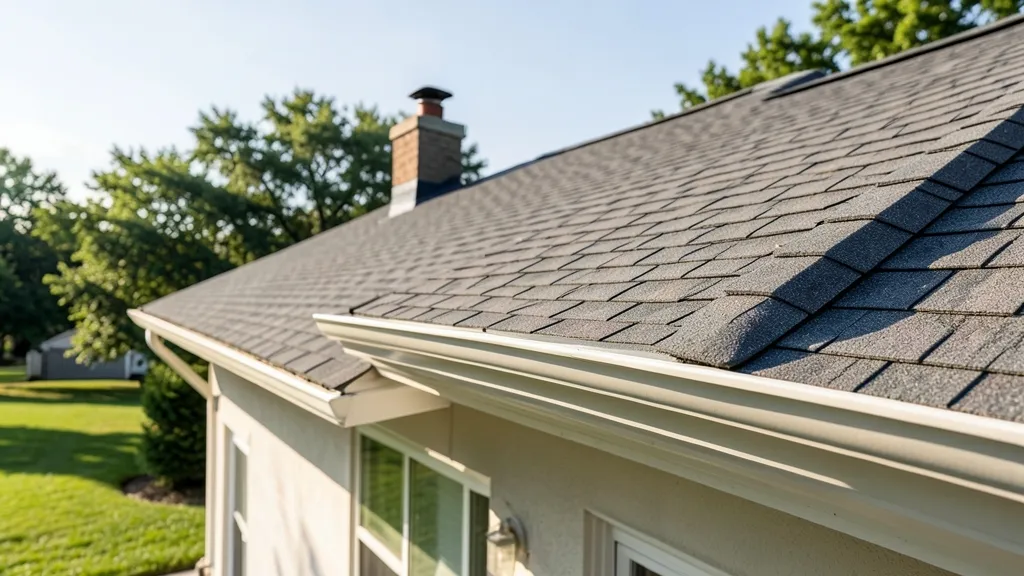
Sagging gutters or standing water after a downpour? In our mountain climate, improper pitch or loose hangers can turn a simple system into a drainage disaster. Re-sloping and rehanging solve different problems—here’s how to tell which your Asheville home actually needs.
Why Gutters Lose Their Slope or Sag in the First Place
Heavy leaf debris from our dense hardwoods—oak, hickory, maple—adds weight that pulls gutters out of alignment over time. Even well-installed systems can shift as fascia boards warp or rot in our humid summers.
Ice dams in winter are another culprit. Water freezes at the roof edge, pushing gutters downward and bending hangers. Poor initial installation with insufficient slope or weak hangers just accelerates the problem.
What Re-sloping Actually Fixes
Re-sloping adjusts the angle of your gutters so water flows toward downspouts instead of pooling. It’s the fix when gutters are still structurally sound but water sits stagnant, leading to rust, leaks, or overflow.
We often see this in older homes around Weaverville or Black Mountain where gutters were installed level—or worse, with a reverse slope. A proper pitch (about 1/4 inch per 10 feet) restores function without replacing hardware.
Use a level and string line to test slope. If water doesn’t drain within seconds of spraying with a hose, your pitch is off.
When Rehanging Is the Only Solution
Rehanging replaces or repositions the hangers that secure gutters to the fascia. This is necessary when gutters pull away from the roof, sag in sections, or hang unevenly due to failed hardware.
In neighborhoods like Biltmore Forest, where homes have steep roofs and long gutter runs, hangers can loosen under the weight of wet leaves or ice. Rehanging ensures the system stays aligned and supports proper drainage.
Re-sloping vs. Rehanging: Key Differences at a Glance
Both fixes improve drainage, but they address distinct issues. Re-sloping corrects the angle; rehanging corrects the support. Often, homes need both—especially after years of neglect or storm damage.
| Issue | Re-sloping | Rehanging |
|---|---|---|
| Primary Problem | Improper pitch causing standing water | Loose, damaged, or spaced hangers |
| Gutter Condition | Structurally sound but misaligned | Sagging, pulling away, or uneven |
| Tools/Process | Adjusting brackets, re-securing with proper slope | Replacing hangers, reinforcing fascia |
| Common in Asheville | Older homes, DIY installs | Areas with heavy foliage or ice dams |
| Often Paired With | Gutter resealing | Downspout repair or gutter guard installation |
Signs Your Gutters Need Re-sloping
Standing water in gutters after rain is the most obvious sign. You might also notice rust or water stains along the bottom of the gutter trough, indicating prolonged exposure to moisture.
Overflow at the seams or ends—even during light rain—often means water isn’t flowing toward downspouts. In Asheville’s frequent drizzles, this can lead to foundation erosion or basement leaks if ignored.
Signs Your Gutters Need Rehanging
Visible gaps between the gutter and fascia are a dead giveaway. You may also see gutters bending or pulling away from the roof edge, especially after a storm or heavy leaf accumulation.
Another clue: gutters that look straight but dump water behind them instead of into downspouts. This often happens in Woodfin or Arden, where wind and debris test the limits of older systems.
If your fascia is rotting or warped, rehanging gutters won’t last. We’ll need to repair the fascia first to ensure a solid anchor point.
Can You DIY These Fixes?
Re-sloping is the more DIY-friendly option if you’re comfortable on a ladder and have basic tools. However, achieving the right pitch across long runs requires precision—mistakes can create new low spots.
Rehanging is riskier. It involves removing gutters, assessing fascia integrity, and reinstalling hangers with proper spacing (typically every 24–36 inches). One misstep can lead to more damage or a system that fails under weight.
Before Attempting DIY Gutter Work
- Inspect the fascia for rot or damage
- Ensure your ladder is stable and rated for the height
- Check for hidden issues like rusted sections or loose downspouts
- Have a helper to steady the ladder and handle materials
How Climate and Local Conditions Affect the Decision
Asheville’s mix of heavy rainfall, ice, and falling leaves puts unique stress on gutters. Homes in shaded areas like Biltmore Forest may need more frequent re-sloping due to debris buildup affecting pitch.
In open, windy areas like parts of Arden, rehanging with heavy-duty hangers can prevent gutters from being torn loose during storms. We often recommend stainless steel or aluminum hangers for durability in our climate.
How to Test if Your Gutters Need Re-sloping or Rehanging
A quick inspection can reveal which fix your system needs.
- 1Check for Standing Water
After a rain, look for water pooling in the gutters. If it doesn’t drain within a few minutes, your slope is likely insufficient.
- 2Inspect the Gutter Alignment
Use a level along the gutter’s bottom. If it’s not angled toward the downspout, re-sloping is needed.
- 3Look for Gaps or Sagging
Stand back and eye the gutter line from the ground. Any dips, gaps, or sections pulling away indicate rehanging is necessary.
- 4Test Downspout Flow
Run a hose into the gutter. If water spills over the sides or behind the gutter instead of flowing down the spout, check for slope or hanger issues.
- 5Examine the Hangers
Climb up (safely) or use binoculars to check if hangers are loose, missing, or bent. Spacing wider than 36 inches often means rehanging is overdue.
Frequently Asked Questions
How much does it cost to re-slope or rehang gutters in Asheville?
Costs vary based on the length of your gutters, accessibility, and the extent of the damage. Factors like fascia repairs, hanger type, and whether you need downspout adjustments also play a role. Request a quote for an accurate estimate.
Can re-sloping fix gutters that are already rusted?
Re-sloping can help if the rust is superficial and the gutter is still structurally sound. However, if the rust has caused holes or significant weakening, replacement may be the better option. We’ll assess this during an inspection.
Will rehanging gutters prevent future sagging?
Yes, if done correctly with quality hangers and proper spacing. Using heavy-duty hangers and reinforcing the fascia can extend the life of your system, especially in areas with heavy foliage or frequent storms.
Do gutter guards affect the need for re-sloping or rehanging?
Gutter guards can reduce debris buildup, which lessens the weight on your gutters and may reduce the need for frequent re-sloping. However, they don’t fix existing slope or hanger issues—those still need to be addressed separately.
How often should gutters be inspected for slope or hanger issues?
We recommend a professional inspection at least once a year, ideally in the spring or fall. After major storms or if you notice overflow, sagging, or leaks, schedule an inspection sooner to prevent further damage.
Is re-sloping or rehanging covered by homeowners insurance?
It depends on your policy and the cause of the damage. If the issue stems from a storm or sudden event, it may be covered. However, general wear and tear or neglect typically aren’t. Check with your provider for details.