Sagging Gutters in Asheville: Causes, Signs, and When to Call a Pro
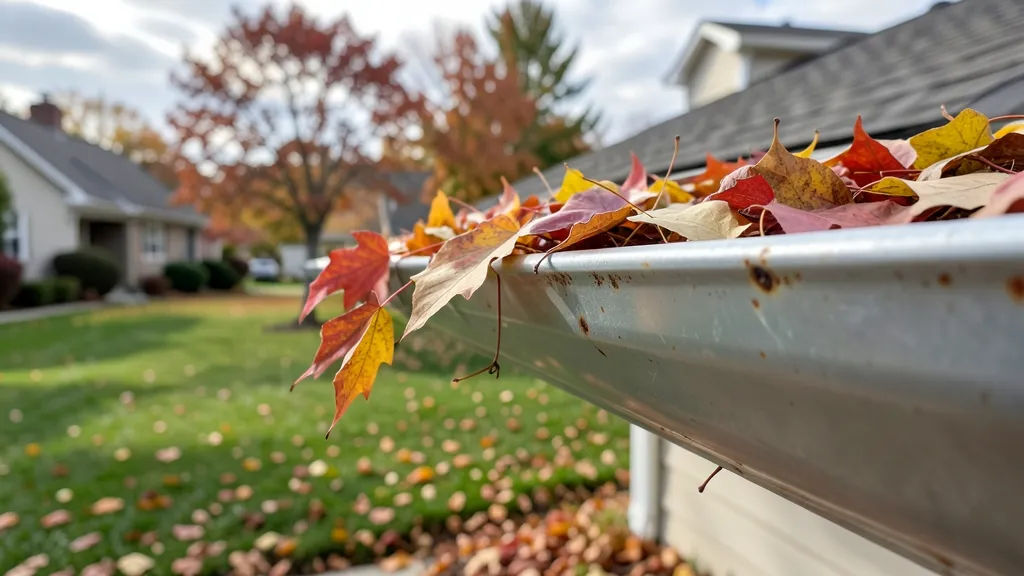
Sagging gutters are more than an eyesore—they’re a red flag for water damage, foundation issues, and costly repairs. In our mountain climate, heavy rain, falling leaves, and seasonal freezes put extra stress on gutter systems. Catching the problem early saves homeowners in Black Mountain, Weaverville, and beyond from bigger headaches down the road.
Why Gutters Sag: The Most Common Causes
The usual culprit is weight. Pine needles, leaf litter, and sediment from Asheville’s frequent storms pile up, overloading the system. Even lightweight debris adds up over time, pulling gutters away from the fascia.
Improper pitch is another silent offender. Gutters must slope slightly toward downspouts to drain. If they’re level or back-pitched, water pools, adding weight and accelerating rust or rot in aluminum or copper systems.
Weak or failing hangers often go unnoticed until it’s too late. Original spike-and-ferrule hangers can loosen as wood fascia expands and contracts with humidity. Hidden hangers or strap hangers last longer but still need inspection.
Hidden Hangers vs. Spike-and-Ferrule: A Local Comparison
Older homes in Biltmore Forest or Arden often have spike-and-ferrule hangers—long nails driven through the gutter and into the fascia. They’re simple but prone to pulling out over time, especially in soft or water-damaged wood.
Hidden hangers, also called inside hangers, clip onto the gutter’s inner lip and screw into the fascia. They provide stronger support and a cleaner look, but require precise installation to avoid misalignment.
| Type | Durability | Installation | Best For |
|---|---|---|---|
| Spike-and-Ferrule | Low (prone to loosening) | Simple, fast | Budget repairs, older homes |
| Hidden/Inside Hanger | High (long-lasting) | More labor-intensive | New installs, heavy debris areas |
| Strap Hanger | Moderate-High | Moderate | Steep roofs, high runoff |
Early Warning Signs You Can Spot from the Ground
Look for visible dips or sections that appear lower than the rest. Even a slight sag disrupts drainage. After heavy rain, check for standing water in the trough—this signals a pitch problem.
Peeling paint or rust stains on the gutter’s exterior often mean water is sitting too long. In Asheville’s humid summers, this speeds up corrosion, especially in uncoated aluminum gutters.
Watch for gaps between the gutter and fascia. This separation usually means hangers have failed or the fascia itself is rotting from trapped moisture.
If you see water dripping behind the gutter or staining the siding, the system isn’t channeling water to downspouts. This can lead to foundation erosion or basement flooding.
When DIY Fixes Work—and When They Don’t
Clearing debris and reattaching a loose hanger can restore function if the sag is minor. Use a ladder stabilizer and work in pairs—safety first, especially on steep roofs common in Woodfin or Black Mountain.
Re-sloping gutters is trickier. It requires adjusting hangers to create a ¼-inch drop per 10 feet of run. A level and string line help, but mistakes can worsen drainage issues.
If the fascia is soft or rotted, no hanger adjustment will hold. In these cases, replacing the damaged wood and reinforcing with new hangers is the only lasting solution.
The Role of Gutter Guards in Preventing Sag
Quality gutter guards reduce debris buildup, but not all are equal. Mesh screens can clog with fine pine needles, while reverse-curve systems may still allow small debris to accumulate on top.
We recommend micro-mesh guards for homes surrounded by trees. They block even the smallest particles while allowing water to flow through. Pair them with regular inspections to ensure no buildup underneath.
Remember: guards don’t eliminate the need for cleaning. They minimize frequency but don’t stop all debris, especially in high-wind areas near the Blue Ridge.
After heavy storms, walk the perimeter and look for overflow or sagging. Catching issues early prevents costly gutter repair or resealing later.
Seasonal Stresses in Western North Carolina
Fall is the biggest challenge. Deciduous trees shed tons of leaves, and evergreens drop needles year-round. Without cleaning, this debris traps moisture, accelerating rust and sag.
Winter brings freeze-thaw cycles. Ice dams can form if gutters are clogged, adding immense weight. The repeated expansion and contraction weakens hangers and seams over time.
Spring and summer storms test gutter capacity. Heavy downpours can overwhelm clogged systems, leading to sagging or even detachment. Regular downspout cleaning is critical here.
When to Call a Professional Gutter Team
If you see multiple sagging sections, widespread rust, or fascia damage, it’s time for a pro. We have the tools and experience to assess the entire system, not just the visible issues.
For homes with steep roofs or multi-story buildings, safety risks make DIY cleaning or repair impractical. Our team uses specialized equipment to work efficiently and safely.
After storm damage, a professional inspection can reveal hidden issues like bent gutters, misaligned downspouts, or compromised seals that lead to leaks and sagging.
Long-Term Solutions: Repair, Reseal, or Replace?
Minor sags often need only hanger replacement or reinforcement. We use heavy-duty hidden hangers for lasting support, especially in older homes with worn fascia.
Resealing and resloping may be necessary if the gutters are pulling away or water isn’t draining properly. This involves reattaching sections, adjusting pitch, and sealing leaks at the seams.
In cases of severe damage—extensive rust, multiple failed hangers, or rotted fascia—full gutter replacement might be the most cost-effective solution. Seamless aluminum gutters are a popular upgrade for durability.
Signs It’s Time for a Pro
- Gutters pulling away from the roof
- Visible rust or holes in the trough
- Water pooling or overflowing at multiple points
- Fascia boards that are soft, cracked, or rotting
- Downspouts that are bent, clogged, or detached
How to Check for Sagging Gutters Safely
A quick ground-level inspection can reveal early warning signs before they turn into major problems.
- 1Walk the Perimeter
Start at one corner of the house and walk slowly along the foundation. Look up at the gutters for any visible dips, gaps, or misalignment.
- 2Check for Standing Water
After rain, scan the gutters for pooled water. Even small puddles indicate a pitch issue or clog.
- 3Inspect the Fascia
Use binoculars to examine the wood behind the gutters. Soft spots, peeling paint, or mold suggest water damage.
- 4Test Downspout Flow
Run a hose into the gutter near a downspout. If water doesn’t flow freely or backs up, there’s likely a clog or slope problem.
- 5Note Hanger Condition
Look for hangers that are loose, missing, or pulling away. Spike-and-ferrule hangers often leave visible holes if they’ve come out.
- 6Document Findings
Take photos of any issues and note their locations. This helps a professional provide an accurate quote for gutter repair or cleaning.
Frequently Asked Questions
Can sagging gutters cause roof damage in Asheville homes?
Yes. Sagging gutters trap water, which can back up under shingles, leading to roof leaks, rot, or even structural damage to the decking. In our region’s wet climate, this risk is higher, especially with older roofs.
How often should gutters be cleaned to prevent sagging?
In tree-heavy areas like Weaverville or Black Mountain, cleaning 2-4 times a year is ideal. Homes with fewer trees may need only annual cleaning, but always inspect after major storms.
Are seamless gutters less prone to sagging?
Seamless gutters reduce leak points and are often stronger, but they can still sag if hangers fail or debris accumulates. The real advantage is fewer seams to separate or rust over time.
What’s the difference between gutter resealing and resloping?
Resealing fixes leaks at the seams or end caps using waterproof sealant. Resloping adjusts the angle of the gutters to ensure proper drainage toward downspouts. Both may be needed if sagging is due to poor pitch.
Do gutter guards eliminate the need for cleaning?
No. Guards reduce debris buildup but don’t stop all of it. Fine particles, pollen, or pine needles can still accumulate on top or underneath. Regular inspections and occasional cleaning remain necessary.
Can I fix a sagging gutter myself if it’s only one section?
Possibly, if the issue is a single loose hanger or minor debris buildup. Replace the hanger with a hidden hanger for better support, and clear the trough. But if the fascia is damaged or the sag is widespread, call a pro.