When to Clean Gutters on Your Asheville Property to Avoid Costly Repairs
Asheville’s mix of heavy rainfall, seasonal foliage, and steep terrain means gutters work overtime. Knowing when to clean them can save you from water damage, foundation cracks, and roof leaks. We’ve seen firsthand how timely maintenance prevents costly repairs down the line.
Why Asheville’s Climate Demands Proactive Gutter Care
Our region’s annual rainfall—often exceeding 48 inches—puts immense pressure on gutter systems. Without regular cleaning, clogs form fast, especially during spring showers and summer storms.
Fall brings a deluge of oak, maple, and poplar leaves, while pine needles from the Blue Ridge forests create stubborn blockages year-round. These aren’t just eyesores; they’re ticking time bombs for your home’s structure.
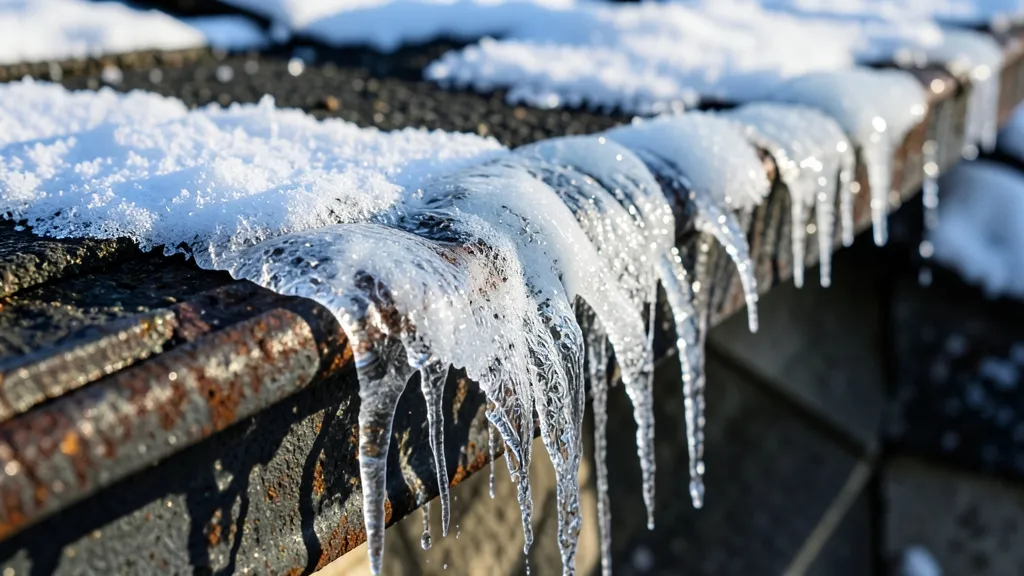
Winter’s freeze-thaw cycles can turn trapped water into ice dams, warping gutters and forcing water under shingles. In areas like Biltmore Forest or Black Mountain, elevation adds another layer of complexity.
The 4 Critical Times to Clean Gutters in Western NC
Early spring is non-negotiable. Pollen, seed pods, and winter debris accumulate fast, and April’s heavy rains can overwhelm clogged systems before you realize there’s a problem.
Late spring—after the last of the blossoms and before summer storms—ensures downspouts are clear for the wet season ahead. This is when we often find gutters sagging under the weight of compacted organic matter.
Fall cleaning should happen after the first major leaf drop but before the first frost. For homes near Weaverville or Arden, this might mean a second pass in late November as the last leaves fall.
Post-storm inspections are a must. After severe weather, check for bent gutters, disconnected downspouts, or fresh clogs. Storm damage gutter cleanup prevents long-term issues.
| Season | Key Trigger | Why It Matters |
|---|---|---|
| Early Spring | Pollen & seed pods | Prevents clogs before April rains |
| Late Spring | Pre-summer storms | Ensures capacity for heavy rainfall |
| Early Fall | First leaf drop | Avoids blockages before frost |
| Late Fall | Final leaf fall | Preps gutters for winter freeze |
| After Storms | Visible damage or overflow | Stops water damage early |
Signs Your Gutters Need Cleaning—Before It’s Too Late
Water spilling over the sides during rain is the most obvious red flag. This means clogs are forcing water where it shouldn’t go—often right into your foundation or landscaping.
Sagging gutters indicate trapped water and debris adding excessive weight. Over time, this can pull fasteners loose or even detach sections entirely, requiring gutter repair or resealing.
Stains on siding or fascia are telltale signs of overflow. In Asheville’s humid climate, these water marks can quickly lead to mold or rot if unaddressed.
Birds or pests nesting in gutters are a sure sign of neglect. Once they move in, they bring more debris—and the cleanup becomes a job for professionals.
A single overflowing gutter can dump hundreds of gallons of water near your foundation during a storm. Over time, this erodes soil and cracks basements—especially in older homes.
How Often Should You Clean Gutters in Asheville?
Most homes need gutter cleaning at least twice a year: once in spring and once in fall. But properties with mature trees or steep roofs often require quarterly service to stay ahead of debris.
If your home is surrounded by pines, like many in Woodfin or Black Mountain, you may need more frequent attention. Pine needles are notorious for creating dense, water-resistant clogs that standard cleanings miss.
Commercial properties or large estates with extensive rooflines should follow a customized schedule. These systems handle more runoff and debris, so we recommend a professional assessment.
Factors That Increase Cleaning Frequency
- Mature trees (especially pines or oaks) overhanging the roof
- Steep or complex roof designs with multiple valleys
- Frequent storms or heavy rainfall in your area
- History of clogs or water damage
- Gutter guards that are damaged or improperly installed
DIY vs. Professional Gutter Cleaning: What Asheville Homeowners Should Know
DIY cleaning works for single-story homes with easy roof access. A sturdy ladder, gloves, and a gutter scoop can tackle light debris—but it’s risky work, especially on steep or multi-story homes.
Professionals bring the right tools: high-reach equipment, downspout augers, and safety harnesses. We also inspect for hidden issues like rust, loose fasteners, or improper slope that DIYers often miss.
For homes with gutter guards, professional cleaning is a must. Micro-mesh or reverse-curve systems require specialized techniques to clean without damaging the screens.
Ladder accidents are a leading cause of homeowner injuries. If your gutters are above one story or your roof is steep, leave it to the pros. We’ve seen too many avoidable falls.
The Hidden Costs of Skipping Gutter Maintenance
Clogged gutters don’t just cause overflow—they accelerate rust and corrosion. Trapped water breaks down gutter seals and eats away at metal, leading to leaks and eventually the need for full gutter replacement.
Foundation damage is the most expensive consequence. Water pooling around your home’s base can crack walls, shift slabs, and create costly structural issues that aren’t covered by standard insurance.
Roof damage is another silent killer. Ice dams or trapped water can seep under shingles, causing rot in the decking and leaks in your attic. In Asheville’s older neighborhoods, this is a common and preventable problem.
Gutter Guards: A Smart Investment for Asheville Homes
Gutter guard installation can reduce cleaning frequency by 70-80%. They’re especially effective against large leaves and pine needles, which are the biggest culprits in our area.
Not all guards are equal. Micro-mesh screens block even the smallest debris but require professional installation to ensure proper fit. Reverse-curve systems work well but may need more frequent inspections.
Even with guards, annual inspections are critical. Debris can build up on top of the screens, and downspouts can still clog. We often combine guard installation with a thorough cleaning and resealing service.
How to Inspect Your Gutters for Clogs and Damage
A quick visual check can reveal problems before they escalate.
- 1Safety Setup
Place your ladder on stable, level ground. Never lean it against the gutters themselves—they’re not designed to support weight.
- 2Check for Overflow
Run a hose at the roof’s edge or wait for rain. If water spills over the sides, you’ve got a clog or slope issue.
- 3Look for Sagging or Gaps
Walk around the house and note any sections pulling away from the fascia. These often indicate trapped debris or failing hangers.
- 4Inspect Downspouts
Ensure water exits the downspout at least 5 feet from the foundation. Use a plumber’s snake or hose to test for blockages.
- 5Examine for Rust or Corrosion
Check for discoloration, flaking, or holes in the gutter troughs. These are signs of long-term water exposure and may require gutter repair or resealing.
Frequently Asked Questions
How do I know if my Asheville home needs gutter cleaning more than twice a year?
If you have overhanging trees, a steep roof, or live in a heavily wooded area like Black Mountain, you’ll likely need quarterly cleanings. Watch for overflow during rain or visible debris in the gutters—these are clear signs it’s time for another cleaning.
Can gutter cleaning prevent basement flooding?
Absolutely. Clogged gutters cause water to pool around your foundation, increasing hydrostatic pressure and the risk of basement leaks. Properly functioning gutters and downspouts direct water safely away from your home.
What’s a good way to clean gutters with a lot of pine needles?
Pine needles are tricky because they mat together and resist water flow. A high-pressure nozzle or a gutter vacuum works best, but for heavy buildup, professional tools like downspout augers are often necessary. Gutter guards can also help long-term.
Do I need to clean my gutters if I have gutter guards installed?
Yes, but less often. Guards reduce debris buildup, but small particles and pollen can still accumulate. Annual inspections and cleanings ensure the system—including downspouts—stays fully functional.
How does Asheville’s elevation affect gutter maintenance?
Higher elevations, like parts of Weaverville or Biltmore Forest, often experience more rainfall and cooler temperatures. This can lead to faster debris accumulation and a higher risk of ice dams in winter, so more frequent checks are wise.
What’s the difference between gutter cleaning and gutter repair?
Cleaning removes debris and ensures proper water flow, while repair addresses structural issues like leaks, sagging, or damaged sections. Often, a thorough cleaning reveals the need for repairs like resealing or resloping.